Frederick Douglass: A Life of Resilience and Freedom
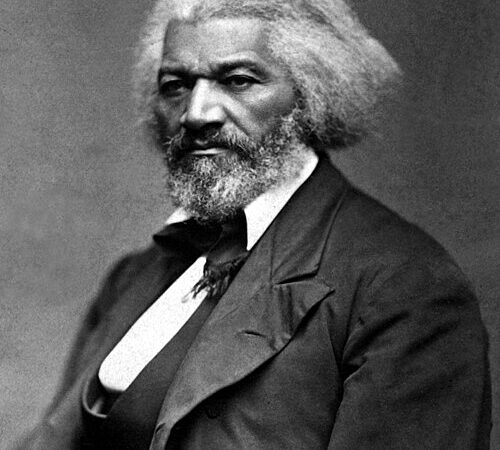
Frederick Douglass was born around February 1818 in Talbot County, Maryland. He was born into slavery, experiencing the harsh realities of forced labor, family separation, and systemic oppression from an early age. Despite the immense challenges, Douglass taught himself to read and write, a revolutionary act for an enslaved person, because literacy was forbidden for slaves.
His self-education opened a path to freedom. In 1838, at the age of 20, Douglass escaped slavery by disguising himself and traveling north, ultimately reaching freedom in the Northern United States. But freedom for Douglass wasn’t just personal, it became a mission for others.
Douglass became a powerful abolitionist, writer, and speaker, advocating tirelessly for the end of slavery. He published several autobiographies, including “Narrative of the Life of Frederick Douglass, an American Slave”, which exposed the brutality of slavery to a wide audience and became a cornerstone in the fight for emancipation.
He also worked closely with other leaders of his time, including William Lloyd Garrison and Abraham Lincoln, influencing public opinion and shaping policies during and after the Civil War. Beyond abolition, Douglass was a champion for women’s rights, voting rights, and equality for all marginalized people
Frederick Douglass’ life is a testament to resilience, courage, and the power of education. He transformed oppression into advocacy, proving that even the most difficult circumstances cannot stop a determined spirit. He remains an enduring symbol of freedom and justice, inspiring generations to fight for equality and human dignity.