

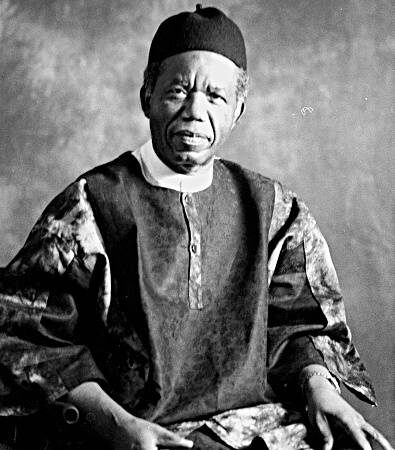
Chinua Achebe: The Writer Who Reclaimed Africa’s Voice
Black History Month calls us to revisit figures who reshaped how the world understands Black identity, culture, and history. Among them stands Chinua Achebe, a writer whose pen altered global literary consciousness and restored dignity to African storytelling.
Born in 1930 in Ogidi, in present-day Anambra State, Nigeria, Achebe grew up at the intersection of traditional Igbo culture and British colonial influence. This dual exposure sharpened his awareness of how Africa was being represented in Western literature. For decades, European novels had depicted the continent as chaotic, primitive, and without structure. Africans were often reduced to background figures in stories about European adventure and conquest. Achebe recognized that this distortion was not accidental; it shaped how Africa was perceived politically, socially, and intellectually.
In 1958, he published Things Fall Apart, a novel that would become one of the most influential works in world literature. Rather than portraying Africa as a blank space awaiting civilization, Achebe introduced readers to Umuofia, a structured Igbo society governed by laws, customs, spirituality, and communal accountability. The protagonist, Okonkwo, is neither a stereotype nor a symbol of savagery; he is a complex human being shaped by pride, fear, ambition, and cultural expectation. Through this portrayal, Achebe dismantled the myth that pre-colonial Africa lacked order or philosophy.
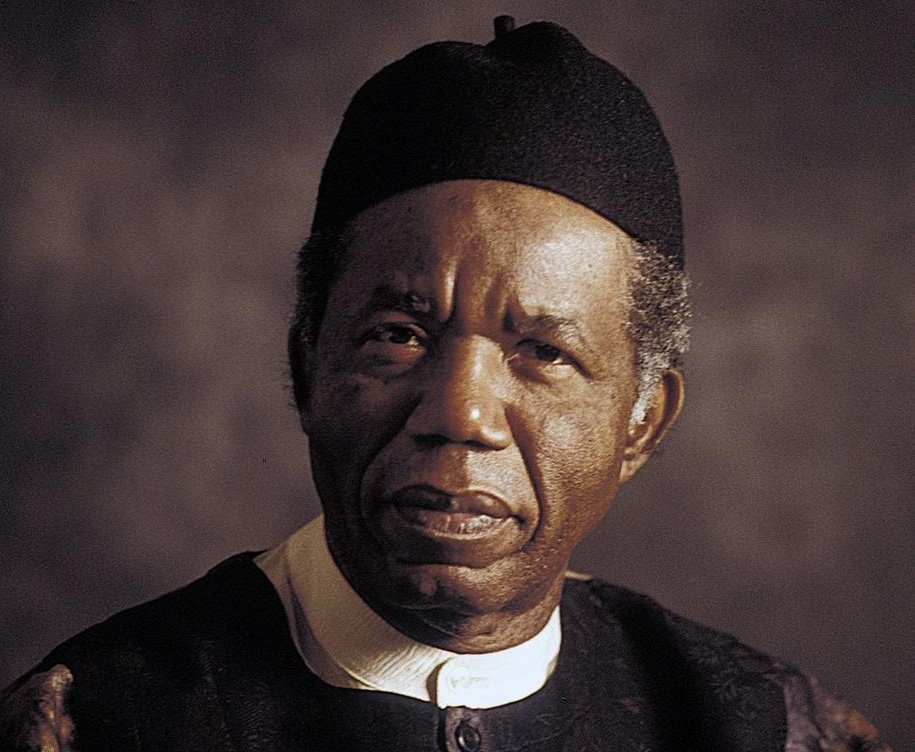
The novel’s global reception marked a turning point. It demonstrated that African experiences could be told with nuance, authority, and literary excellence. More importantly, it encouraged African writers to speak from within their cultures rather than imitate European models. Achebe did not advocate isolation from global literature; instead, he insisted on balance, on the right of African societies to narrate their own histories.
Beyond fiction, Achebe was an incisive essayist and public intellectual. In lectures and critical essays, he challenged works such as Joseph Conrad’s Heart of Darkness, arguing that its portrayal of Africa reinforced dehumanizing stereotypes. His critique sparked enduring debates in literary studies and compelled scholars to reassess the assumptions embedded in canonical texts.
Achebe also witnessed Nigeria’s post-independence turbulence, including the Biafran War. These experiences deepened his reflections on leadership, corruption, and national identity, themes that appear in later works like No Longer at Ease and A Man of the People. He remained steadfast in his belief that literature must engage with social reality rather than escape it.
What makes Achebe’s legacy enduring is not simply that he wrote a famous novel. It is that he shifted the centre of narrative authority. He showed that history, culture, and identity are too important to be filtered through external voices. By grounding his storytelling in Igbo proverbs, oral tradition, and lived experience, he affirmed that African knowledge systems deserved respect.
This Black History Month, Chinua Achebe reminds us that reclaiming history begins with reclaiming language. When people tell their own stories, they challenge distortion and restore balance. Achebe’s work continues to inspire writers, scholars, and readers to approach history with humility and to recognise that representation shapes reality. His contribution endures as proof that literature can be a powerful instrument of cultural restoration and intellectual freedom.