
From Abeokuta to History: Funmilayo Ransome-Kuti’s Revolutionary Fight for Women
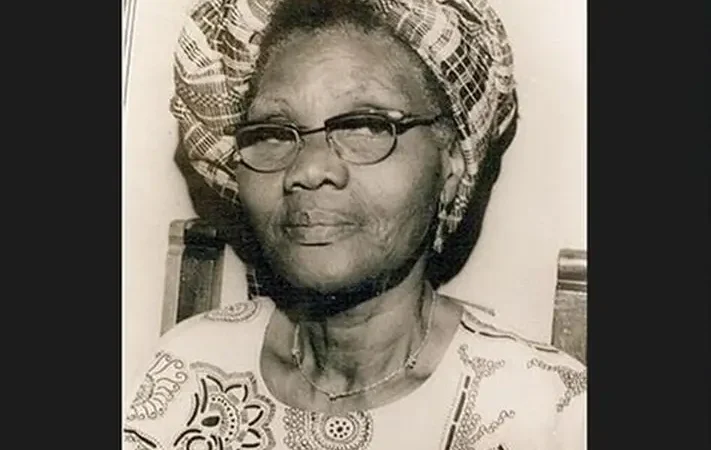
Black History Month provides the perfect opportunity to honour figures whose courage, intelligence, and leadership shaped Africa’s path to justice and equality. Among these towering personalities is Funmilayo Ransome-Kuti, a Nigerian activist, educator, and political trailblazer, whose work redefined the role of women in society and politics.
Born in 1900 in Abeokuta, Ogun State, Funmilayo came from a family that valued education and civic responsibility. Her early exposure to Western-style education, combined with a deep respect for Yoruba traditions, helped her develop a perspective that bridged modernity and cultural rootedness. She trained as a teacher, a profession that not only sharpened her intellect but also gave her the tools to organize, educate, and mobilize communities.
Funmilayo’s activism was most prominently expressed through the Abeokuta Women’s Union (AWU), which she co-founded in the 1940s. The union grew out of frustration with both colonial policies and local injustices. At the time, the Alake, the traditional ruler of Abeokuta in collaboration with British colonial authorities, imposed taxes on women, many of whom were market traders. Funmilayo recognized that this was more than an economic grievance; it was a symbol of political exclusion and gendered oppression. Through the AWU, she mobilized thousands of women to protest taxation and demand representation in local governance. Her methods combined eloquent speeches, petitions, and organized demonstrations, all conducted without resorting to violence, yet commanding immense respect and fear.
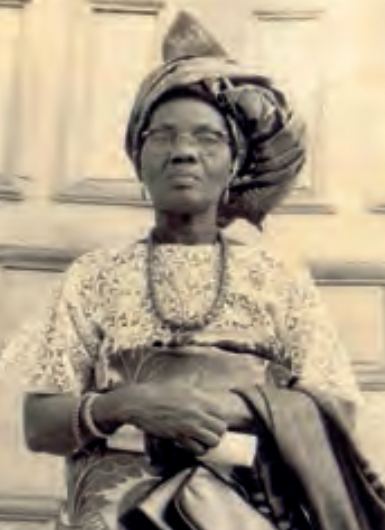
Funmilayo’s activism went beyond taxation. She campaigned for women’s political participation, education, and social reform, consistently challenging patriarchal norms. She argued that national progress could not be achieved if women were marginalized. Her insistence on equality resonated across Nigeria and inspired generations of women to pursue leadership roles in politics, business, and civil society.
Her leadership also intersected with the broader anti-colonial struggle. Funmilayo understood that women’s liberation and national independence were intertwined. She was not merely advocating for women; she was advocating for a society that recognized justice, accountability, and civic responsibility. This dual approach positioned her as one of the most influential political actors of her time, respected both locally and internationally.
Despite facing intimidation, social stigma, and even physical attacks, Funmilayo remained steadfast. Her resilience culminated in national recognition, and she earned the title “Mother of African Feminism” for her unwavering commitment to women’s rights. She also raised a remarkable family, including the world-famous musician Fela Kuti, who carried forward her legacy of activism and cultural defiance through music.
Funmilayo Ransome-Kuti’s life reminds us that leadership is not measured by personal gain but by the impact one has on society. Her story continues to inspire contemporary movements for women’s empowerment in Nigeria and across Africa. She demonstrated that organized, informed, and principled activism can confront entrenched power structures and create lasting change.
This Black History Month, we honour Funmilayo Ransome-Kuti not only for her fight against injustice but also for her vision of a society where women’s voices are heard, valued, and central to national progress. Her legacy endures as a testament to courage, intellect, and the transformative power of women’s leadership.